Twenty-two trumps, numbered 0 to 21
The Major Arcana
The twenty-two cards that carry the deck's largest ideas. When a major turns up it is describing something structural rather than something you did on Tuesday.
About the major arcana
The Major Arcana are the twenty-two trump cards, numbered 0 to 21, that sit outside the four suits. They are the part of the deck most people can picture: The Fool, The Lovers, Death, The Tower, The Star.
What separates them from the fifty-six minors is scale, not importance. A minor card describes a circumstance you are living through and can usually influence. A major describes the shape the circumstance is taking, and that shape is generally slower, larger and less steerable than the question that produced it.
In a spread, the ratio matters more than any single card. Majors are 22 of 78, so a little over a quarter of the deck. A reading well above that proportion is telling you the situation is not really about the thing you asked about.
All 22 cards
Every card links to its full meaning: upright, reversed, love, career, money, spirituality, health, symbolism and history.
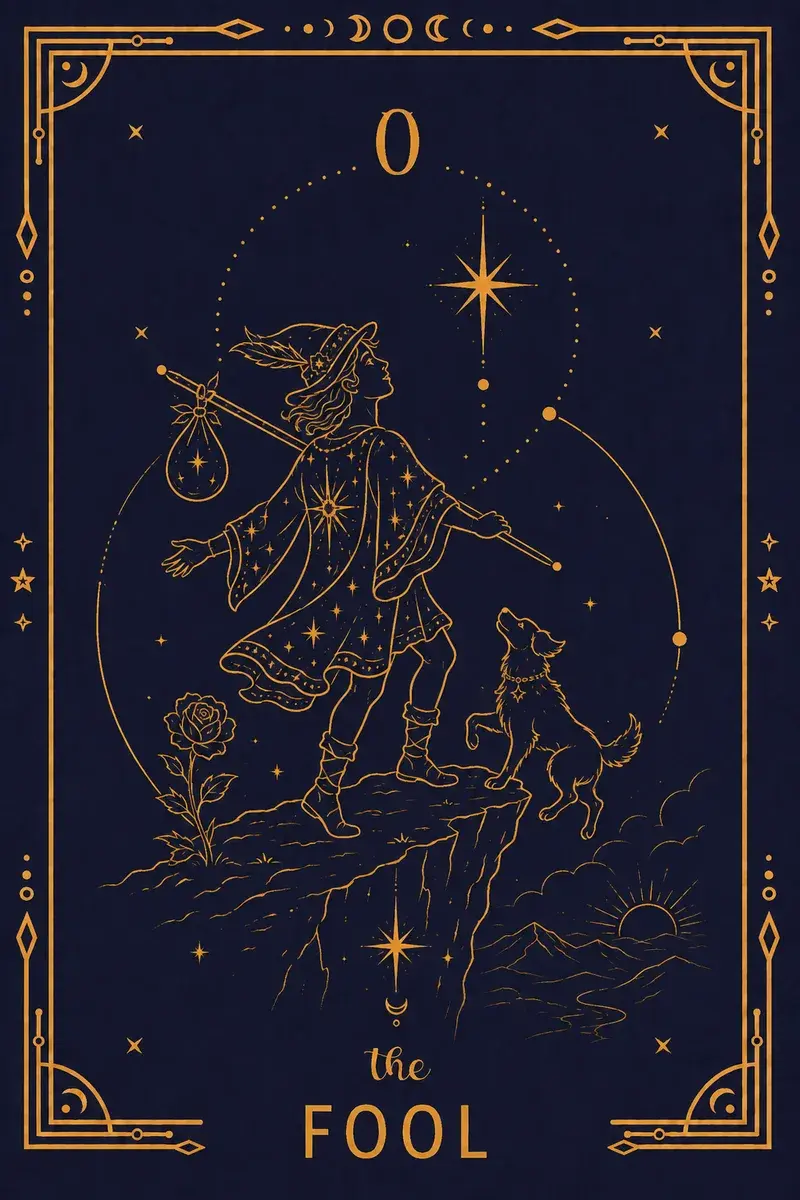 The Fool read the full meaning
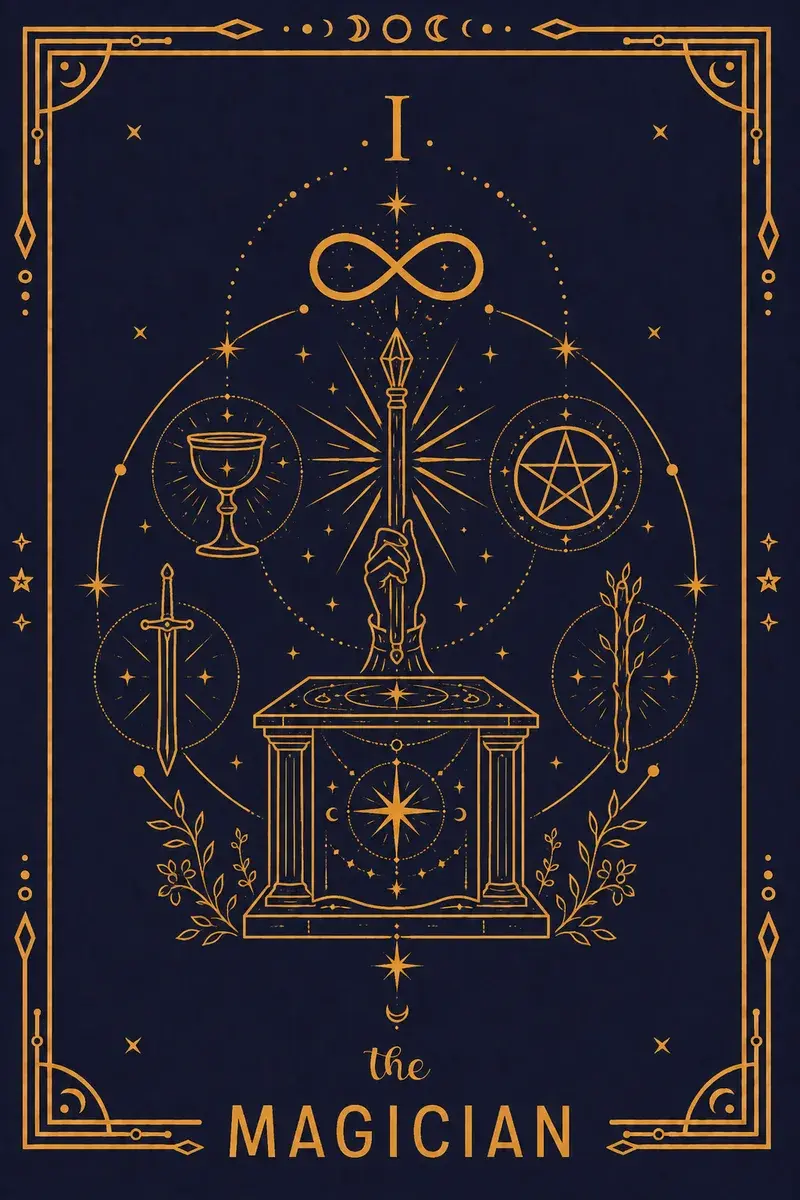 The Magician read the full meaning
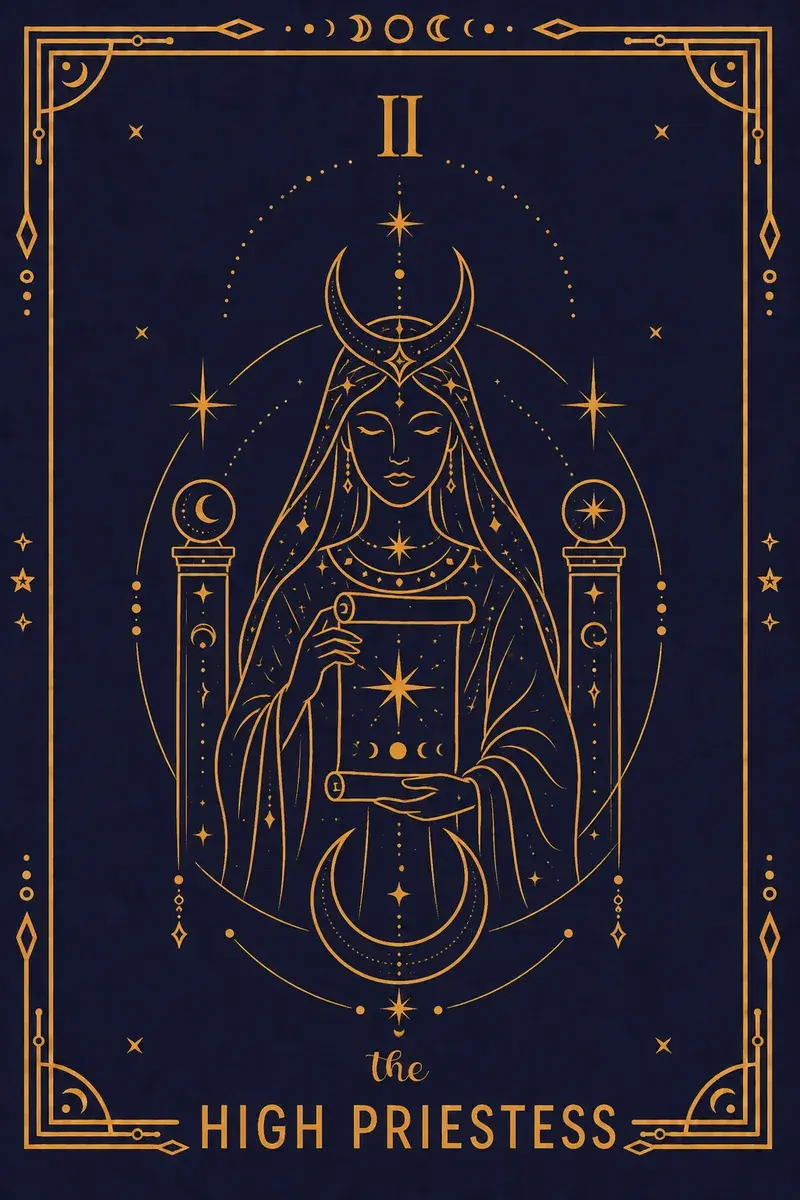 The High Priestess read the full meaning
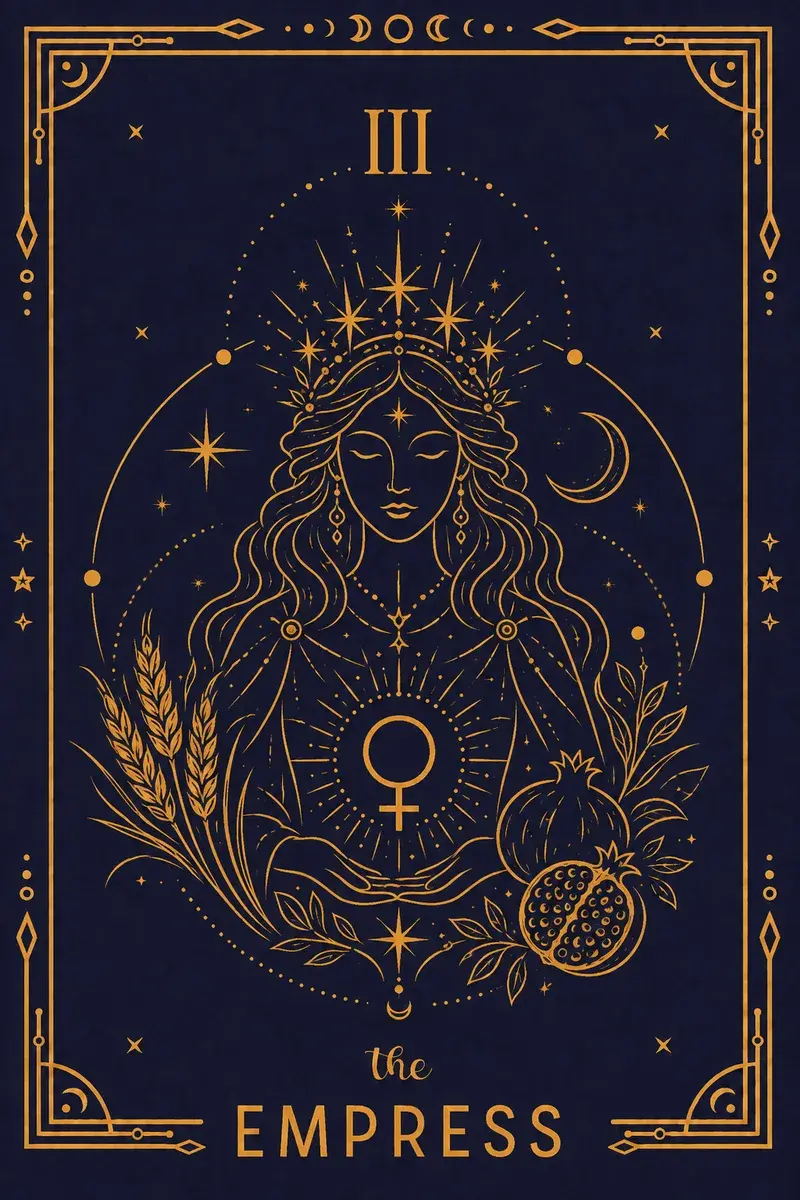 The Empress read the full meaning
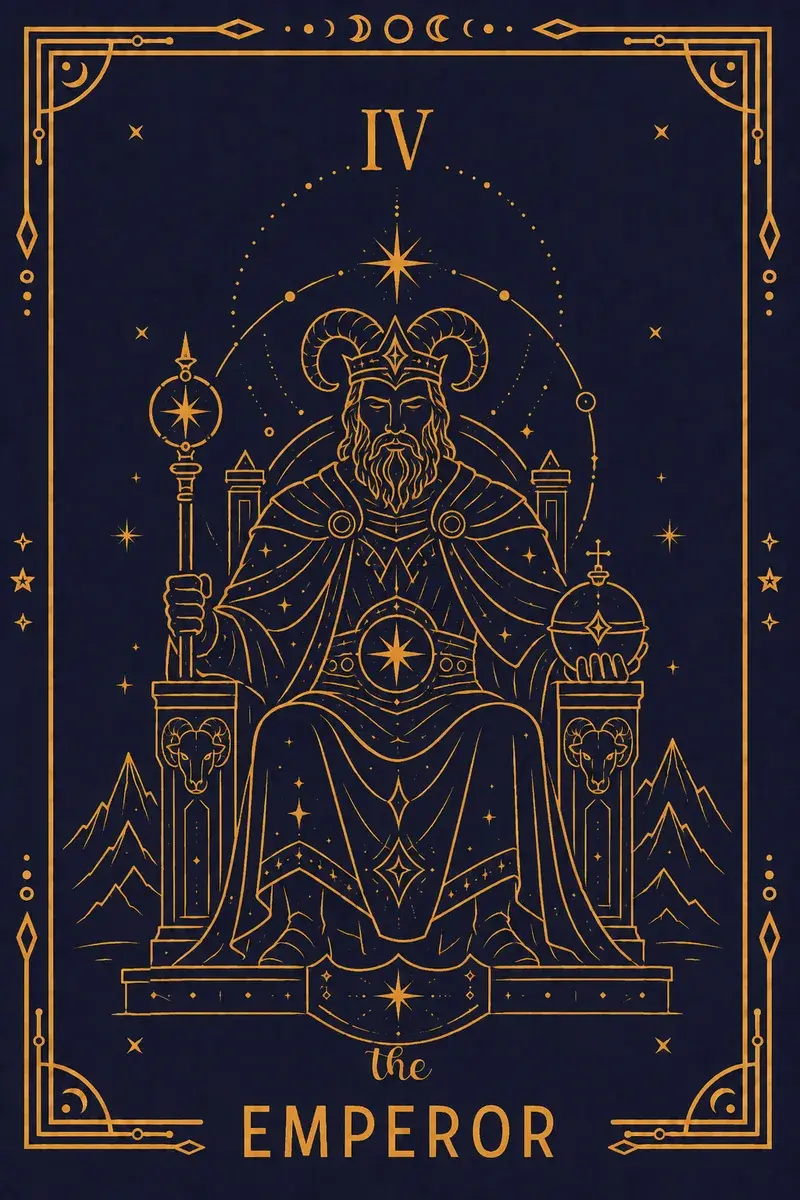 The Emperor read the full meaning
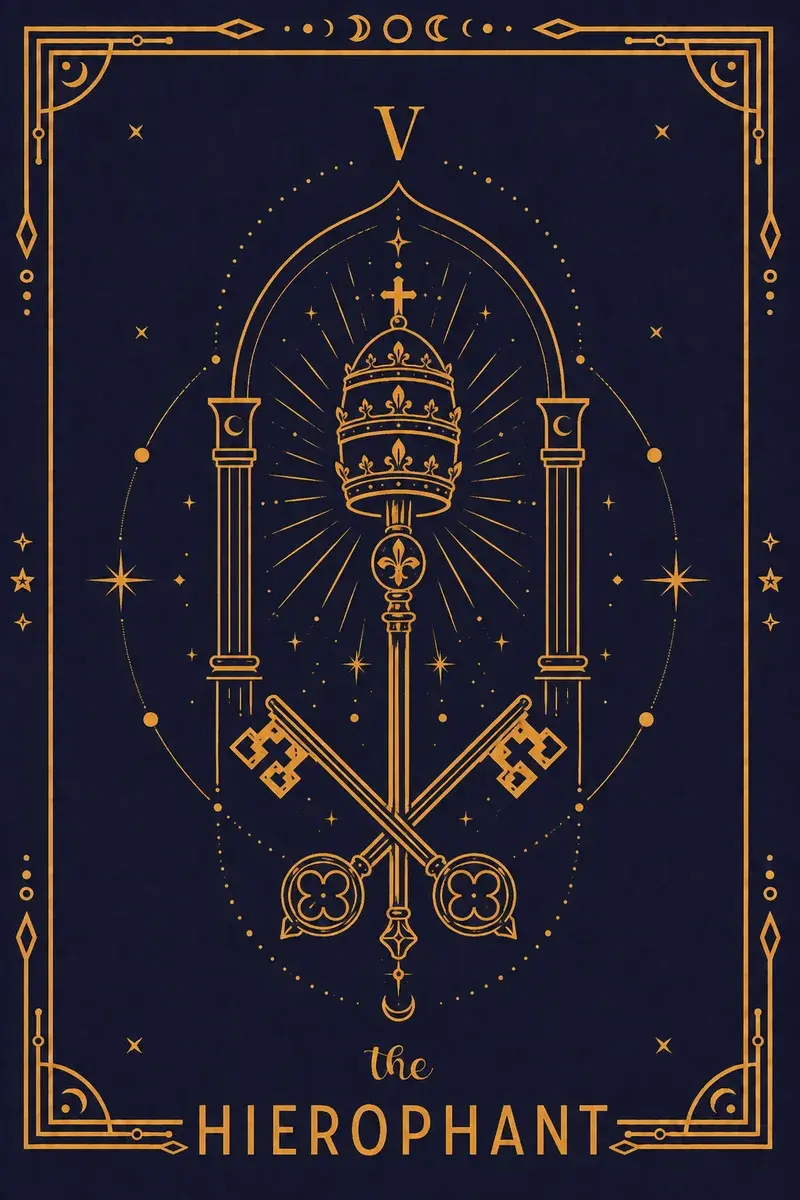 The Hierophant read the full meaning
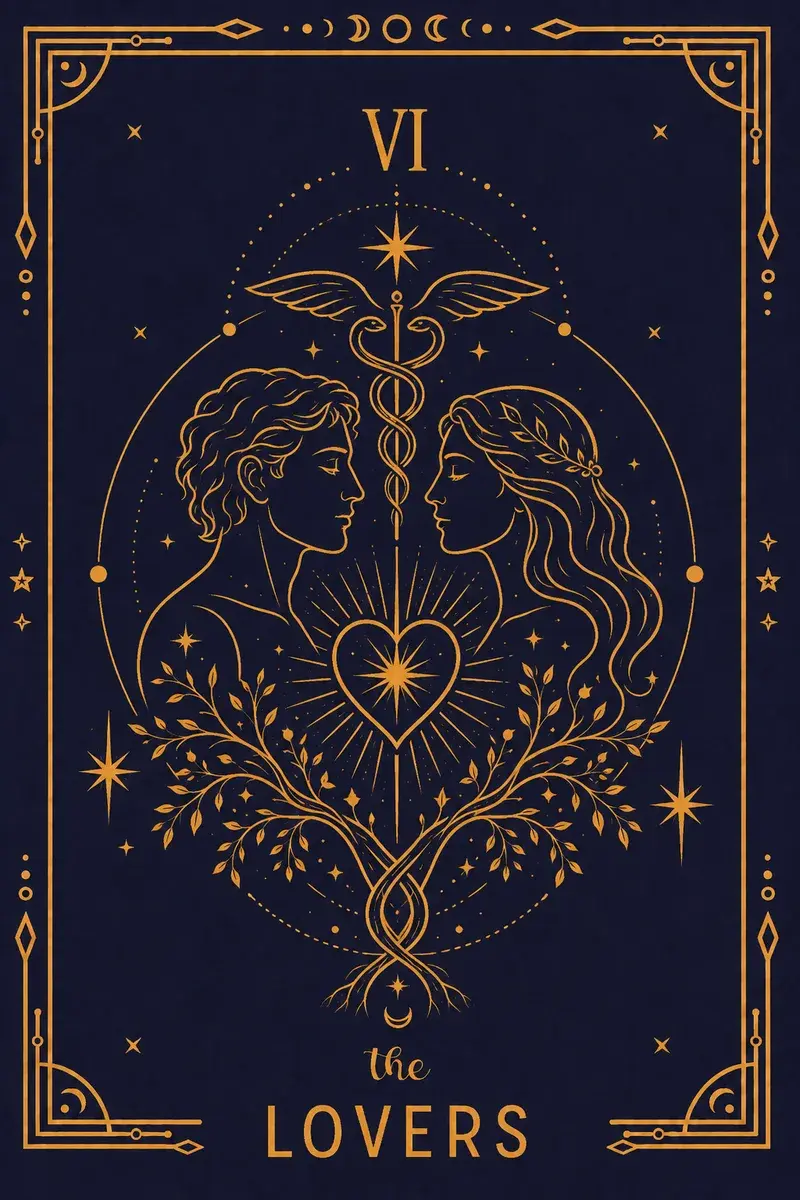 The Lovers read the full meaning
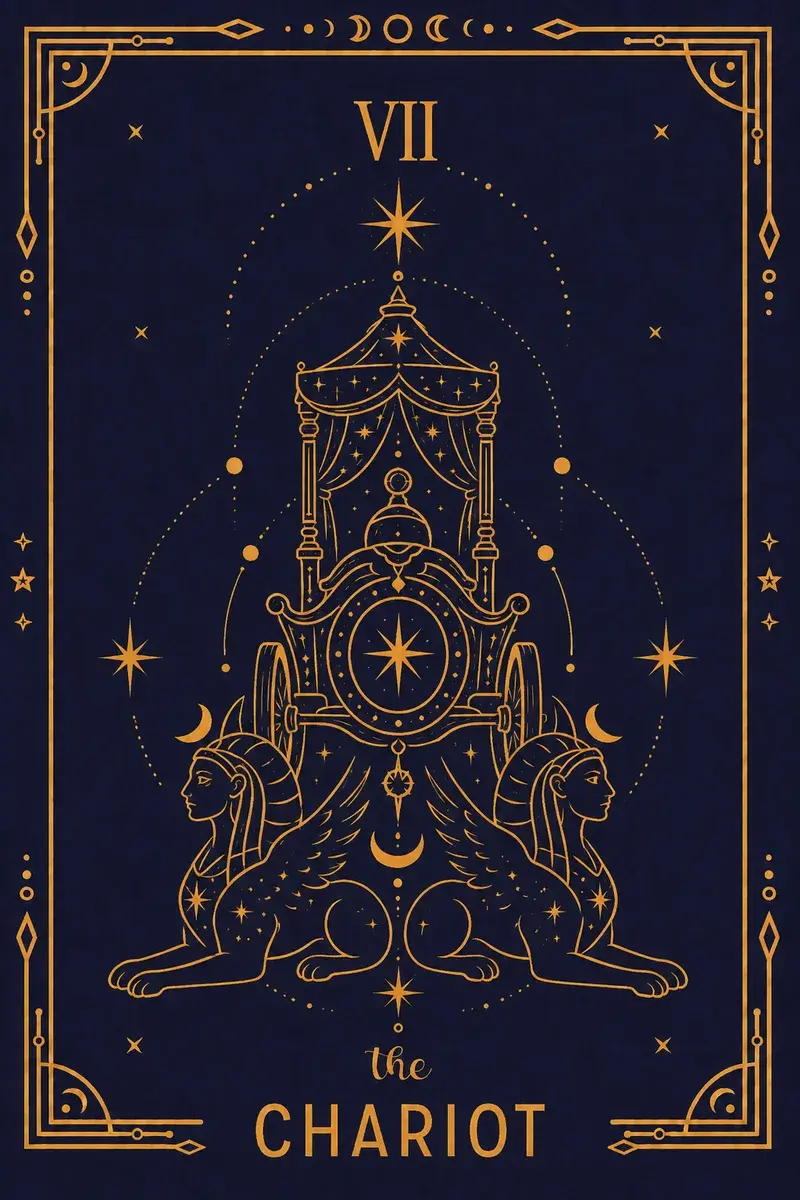 The Chariot read the full meaning
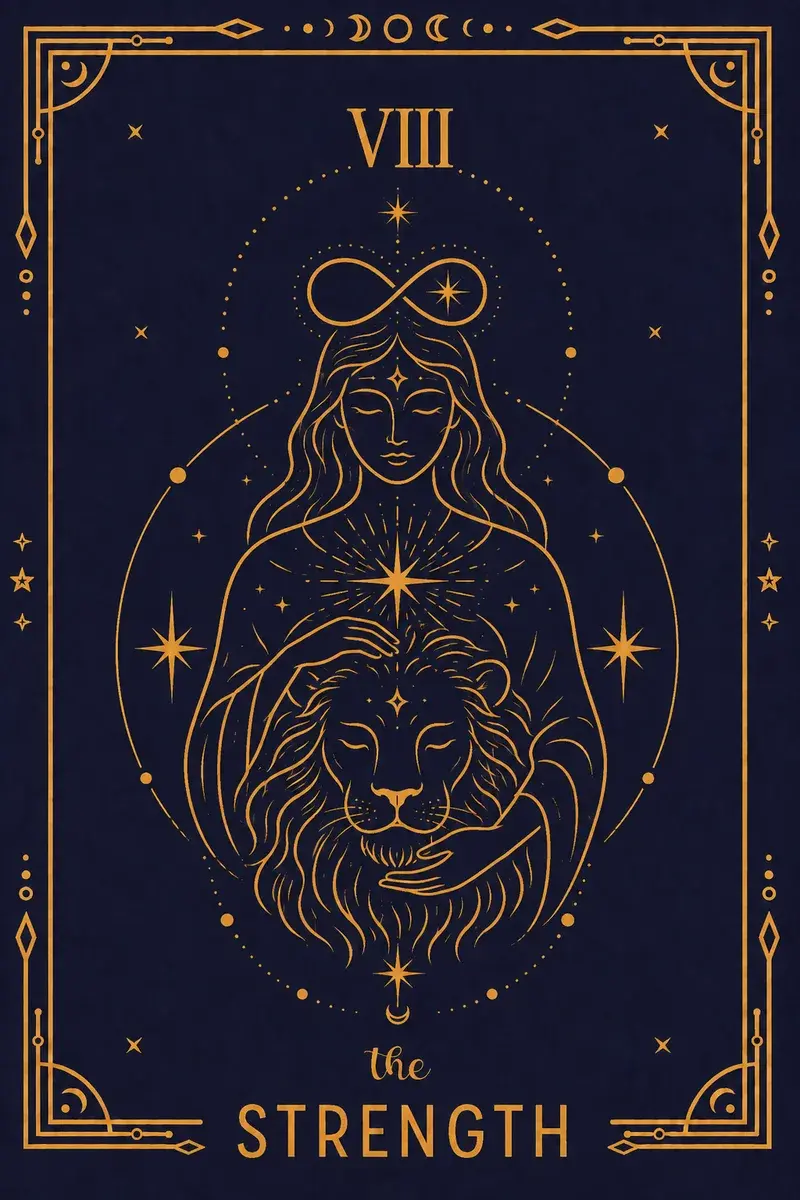 Strength read the full meaning
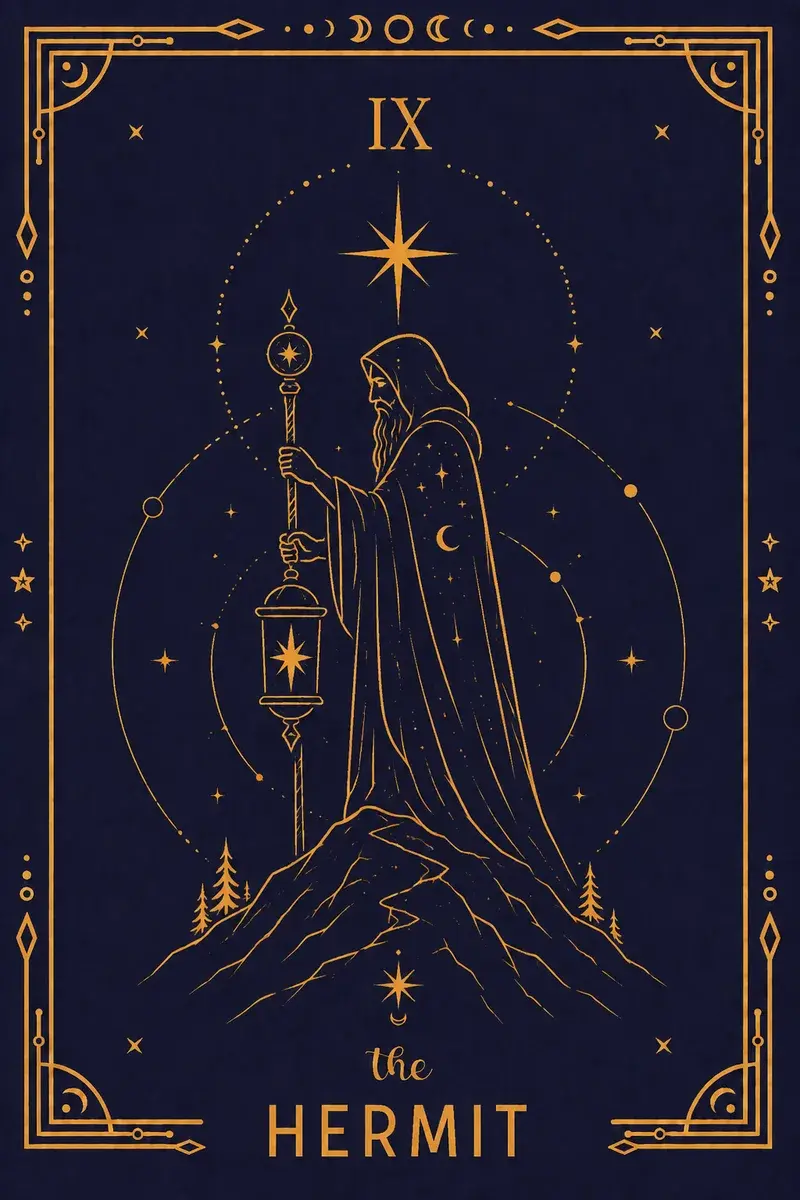 The Hermit read the full meaning
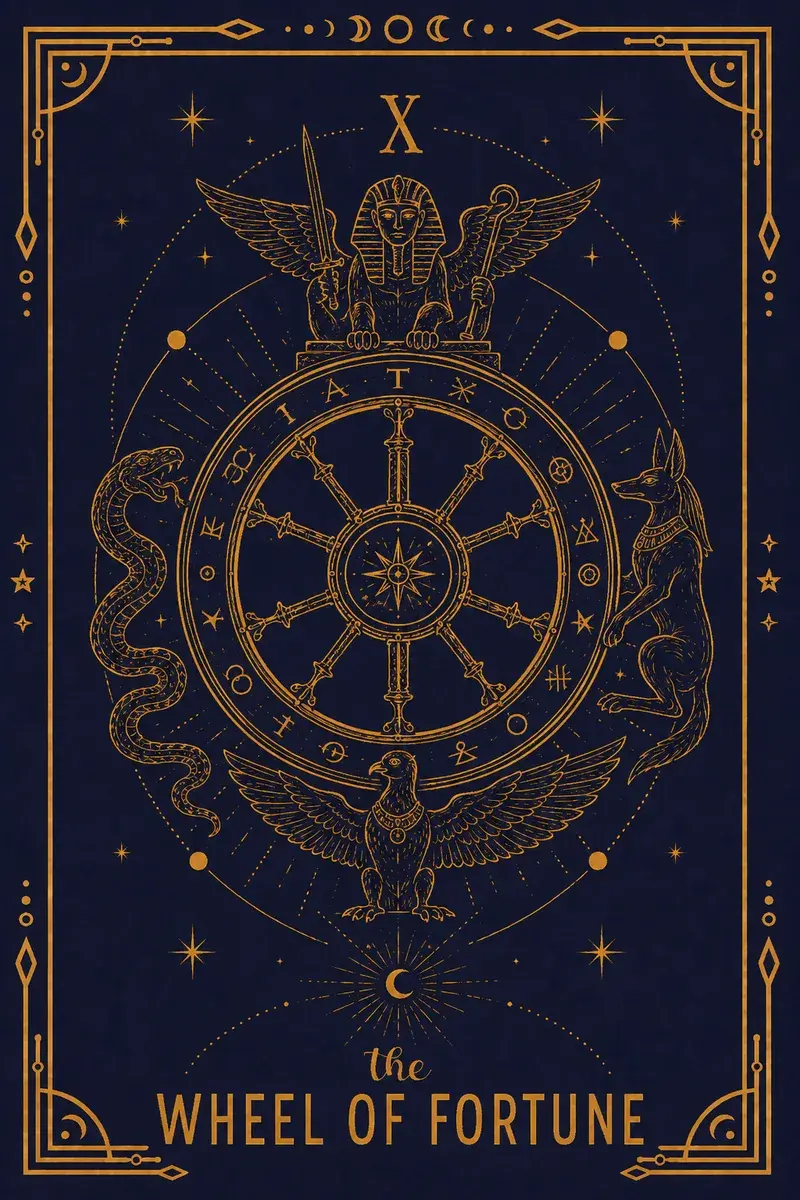 Wheel of Fortune read the full meaning
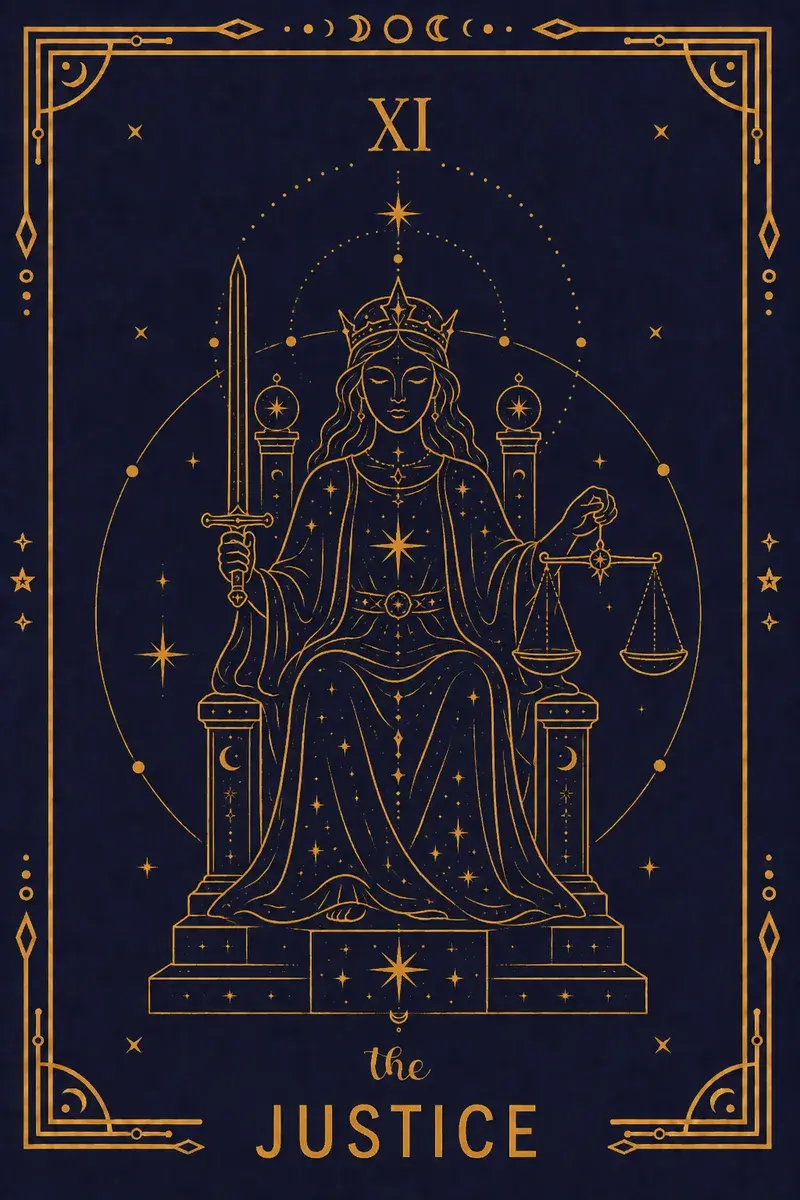 Justice read the full meaning
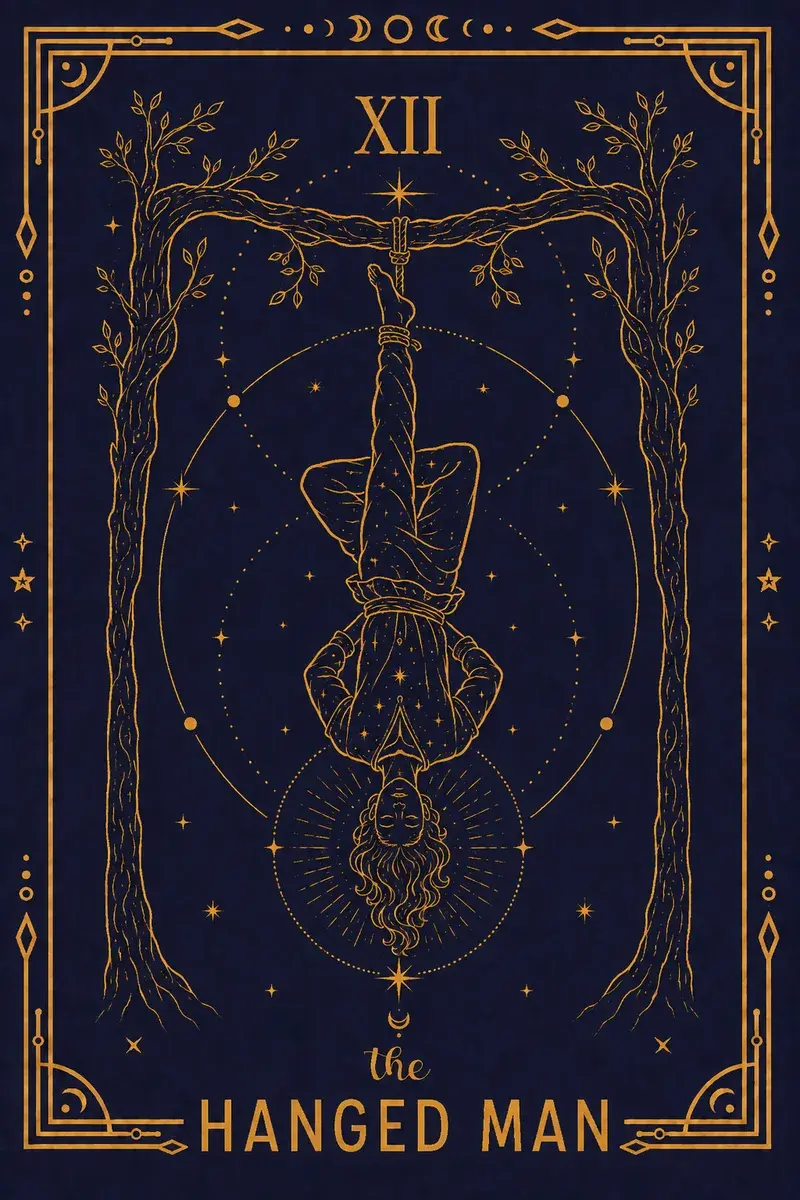 The Hanged Man read the full meaning
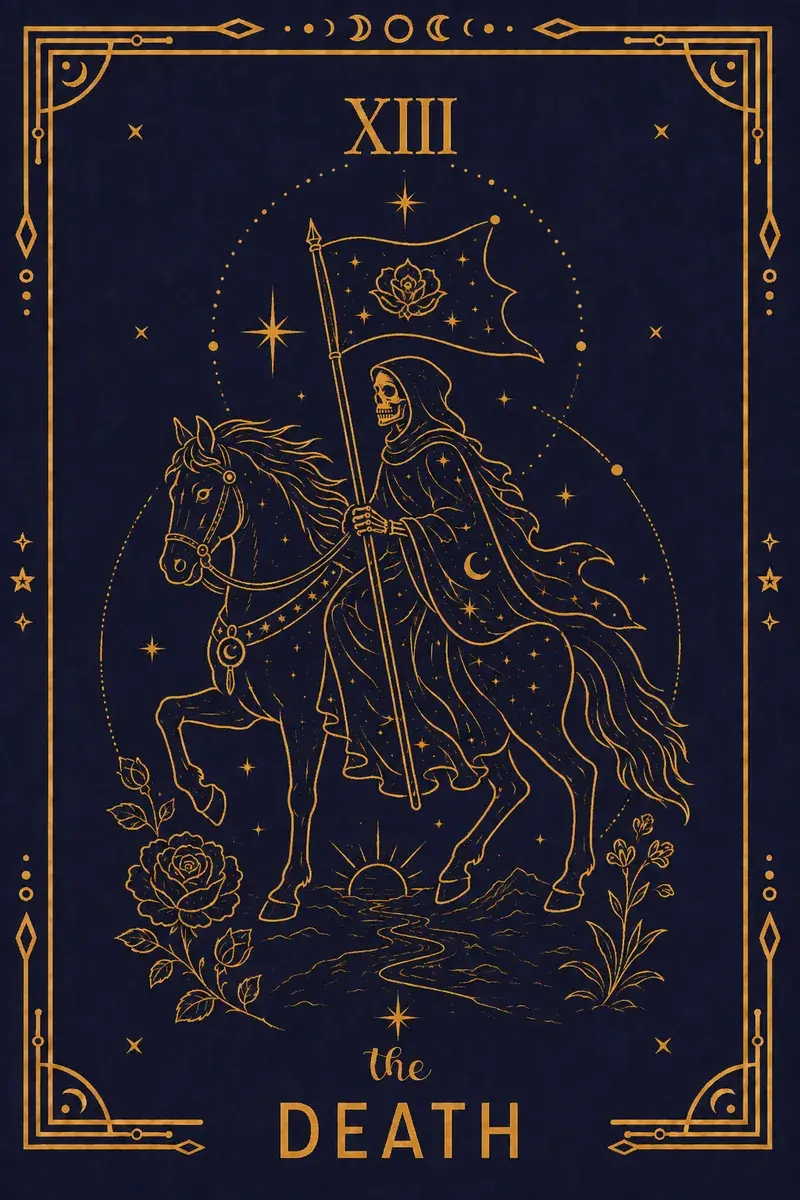 Death read the full meaning
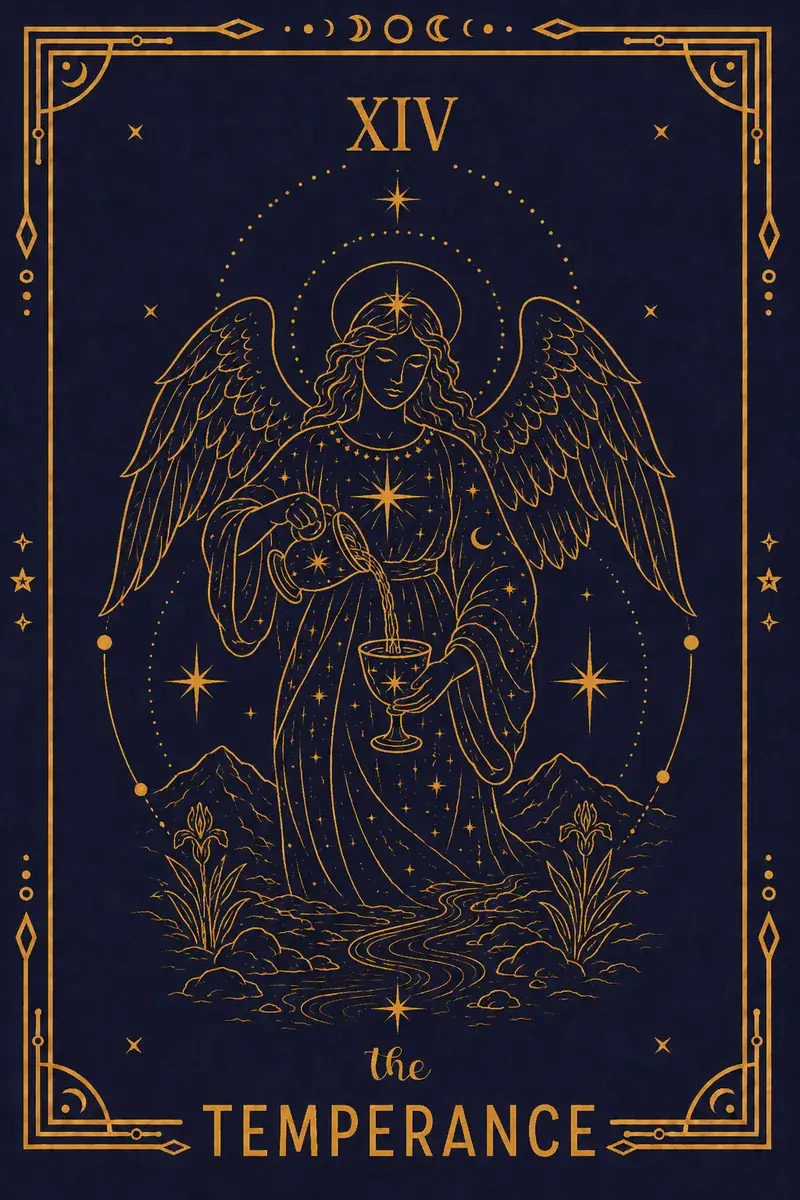 Temperance read the full meaning
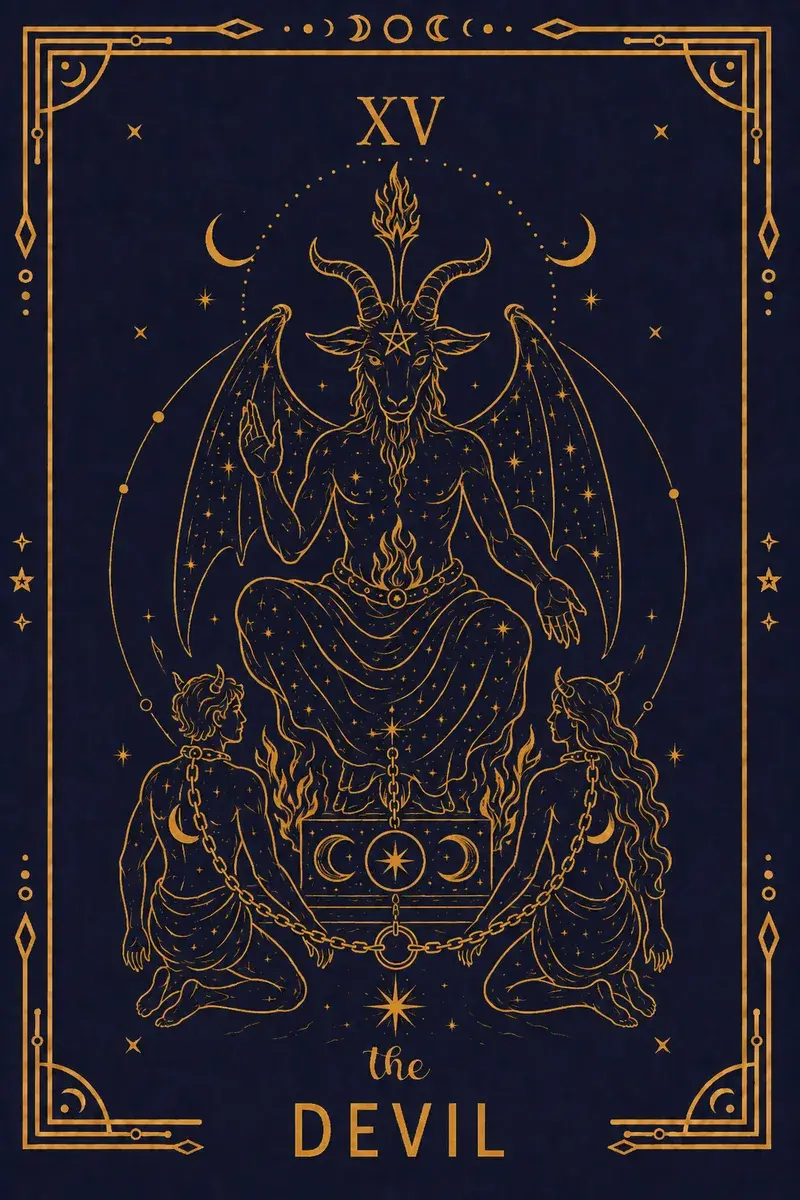 The Devil read the full meaning
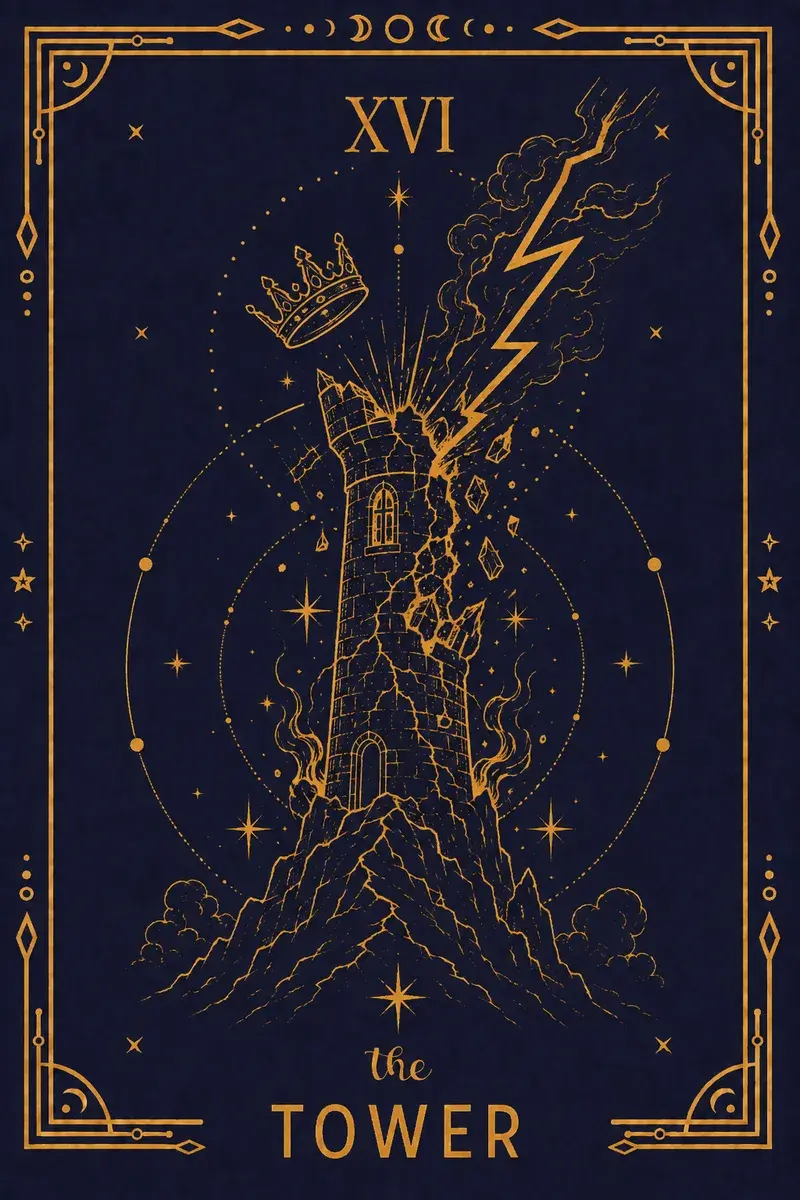 The Tower read the full meaning
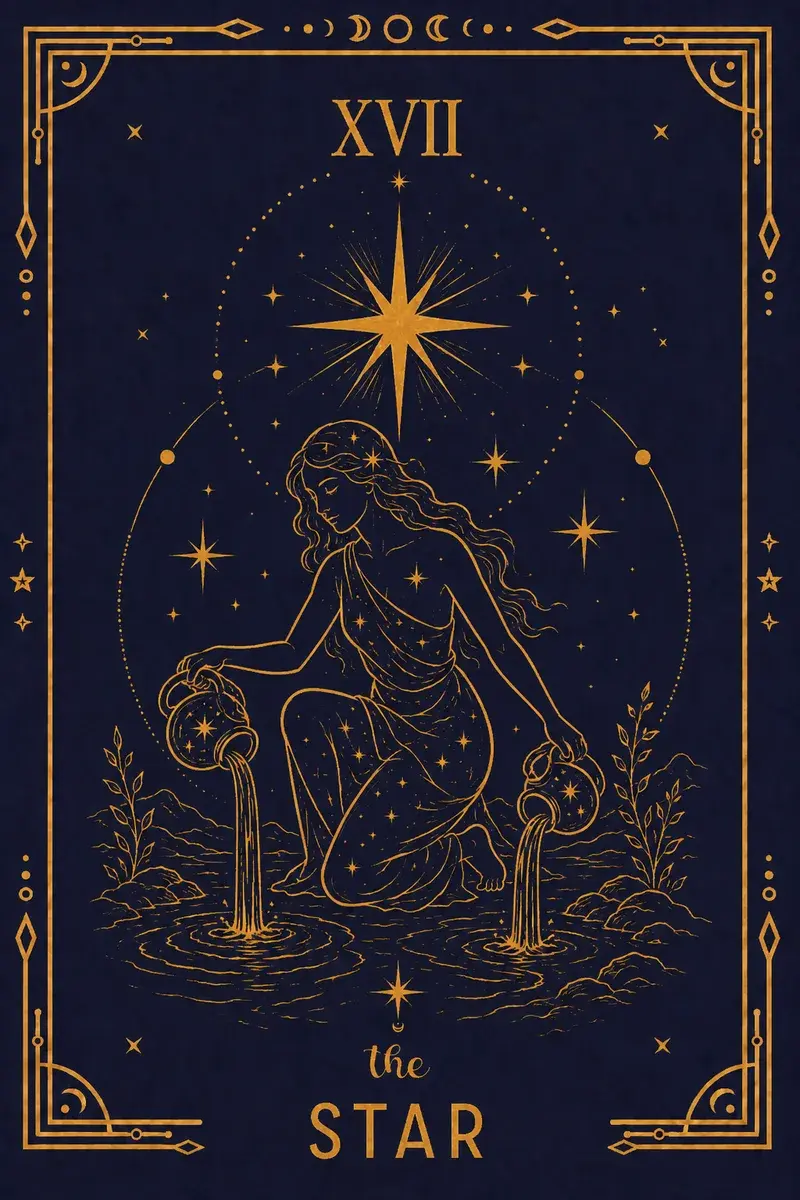 The Star read the full meaning
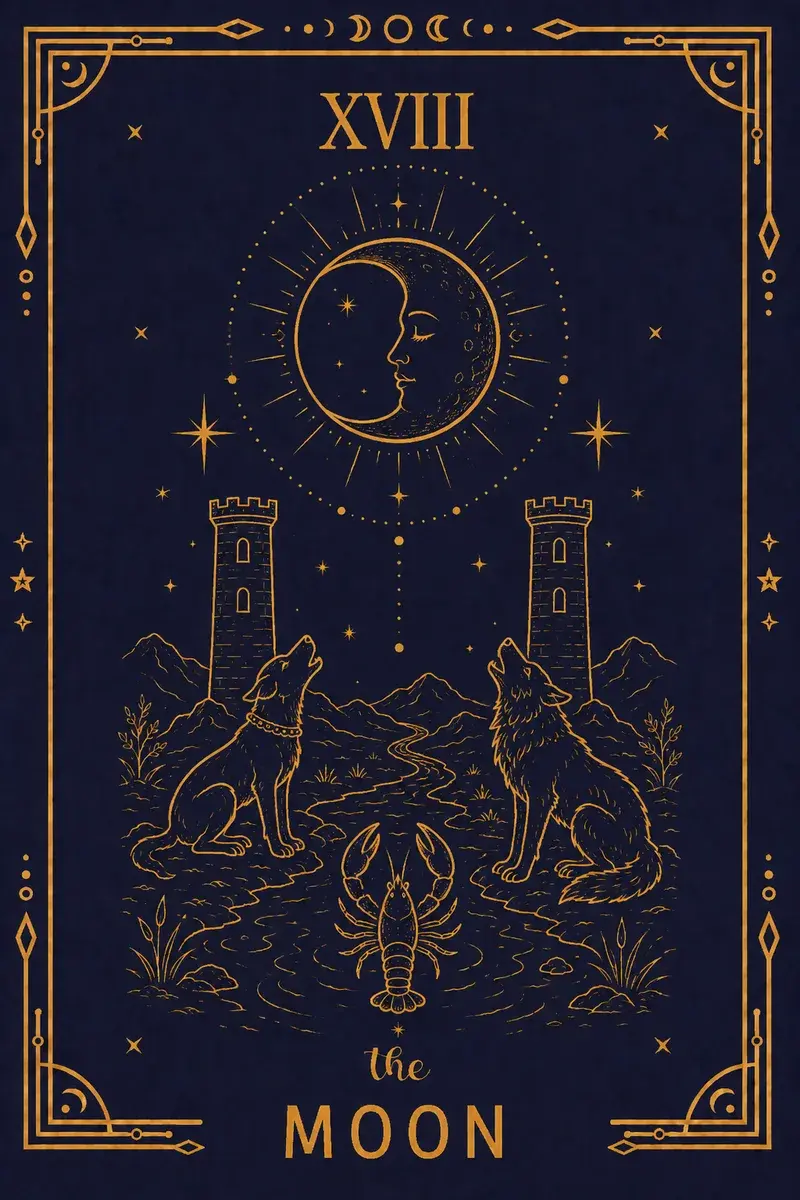 The Moon read the full meaning
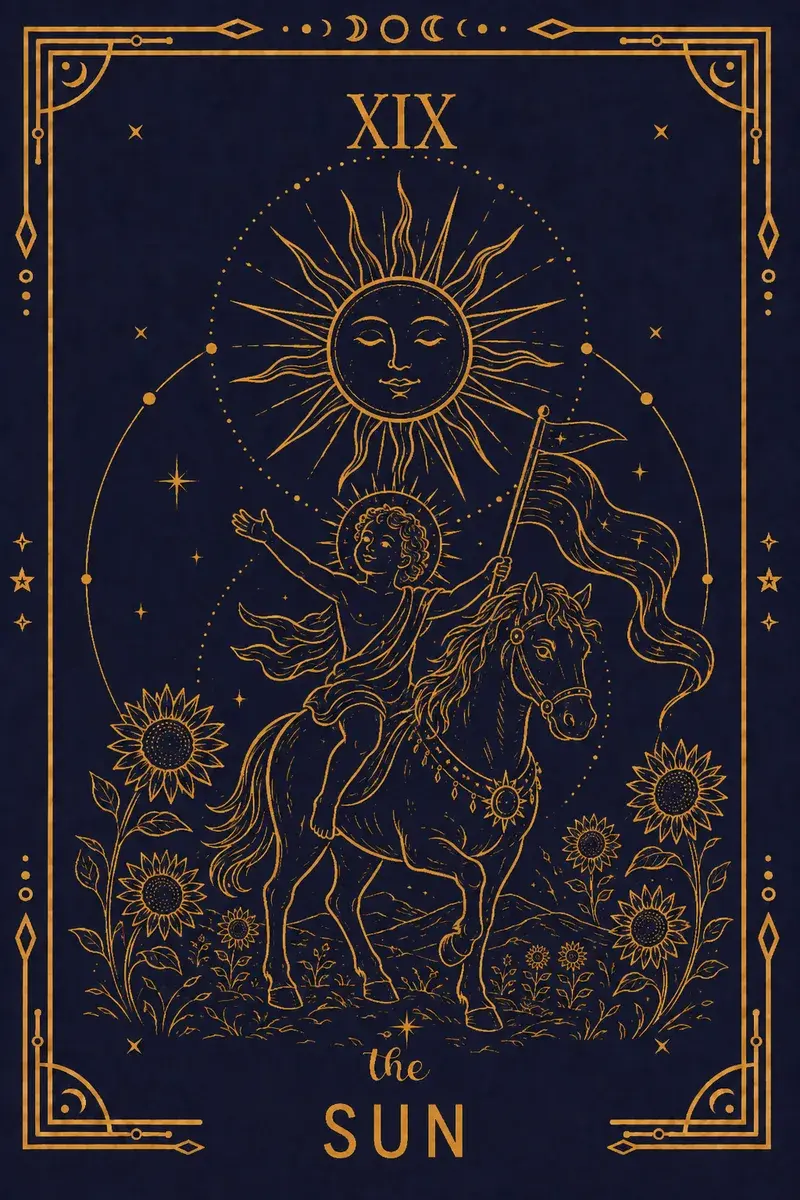 The Sun read the full meaning
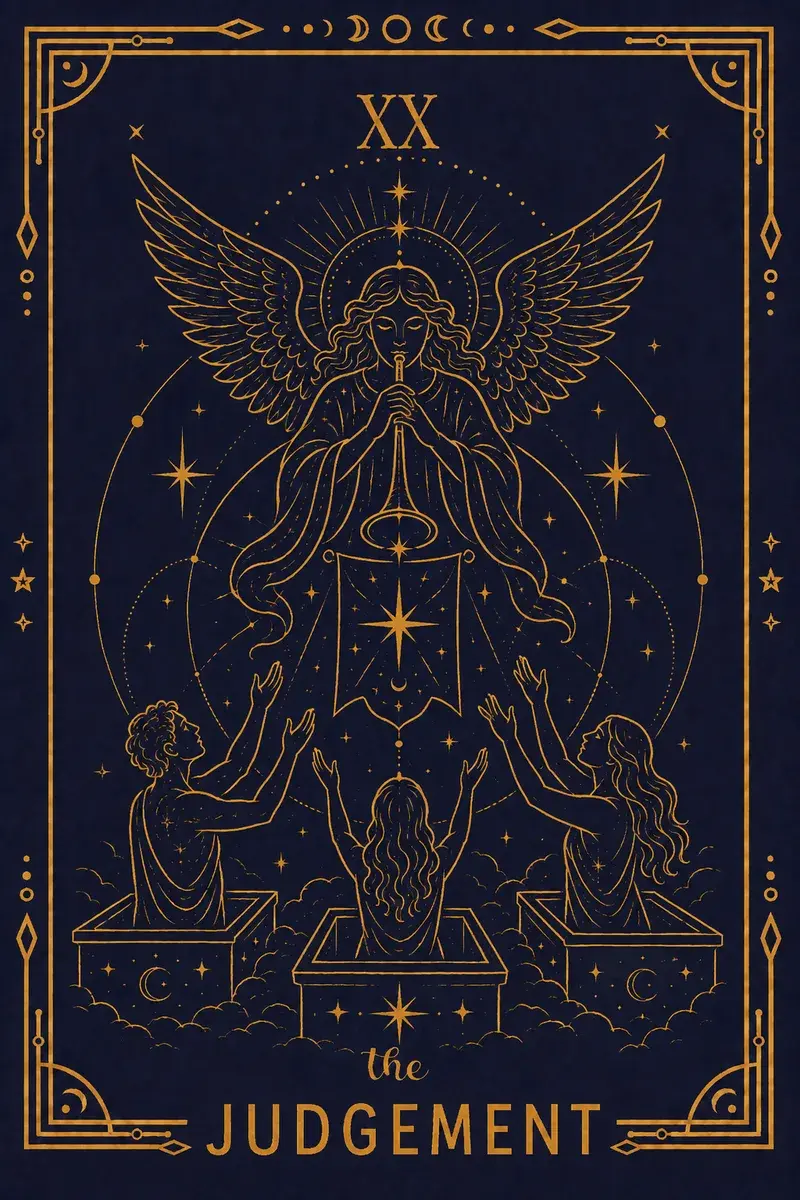 Judgement read the full meaning
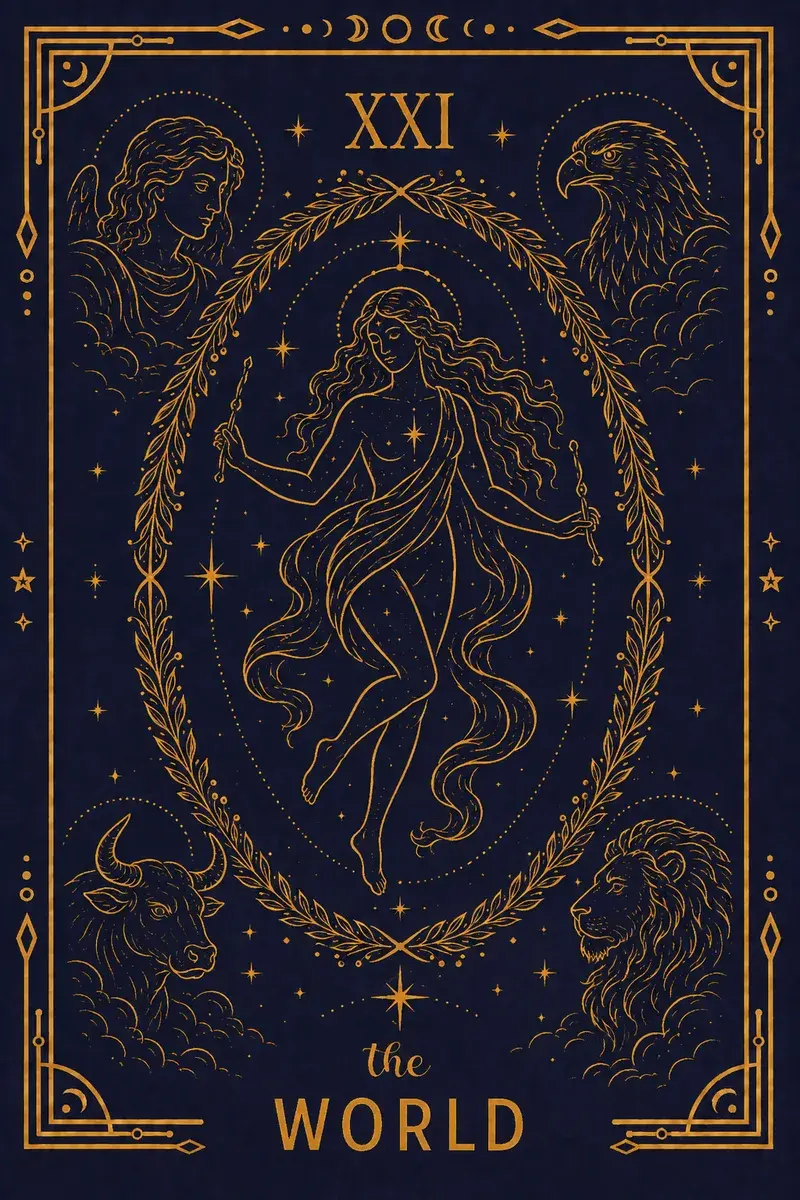 The World read the full meaning
The Fool's Journey, and the argument about it
The most common way to teach the majors is as a sequence: The Fool sets out at 0 with nothing, meets a series of figures and forces, and arrives at The World at 21 having integrated them. It is a genuinely useful teaching frame and it makes twenty-two cards learnable in an afternoon.
It is also a modern reading. The idea was popularised in the twentieth century, largely through Eden Gray's books in the 1960s and 70s. The earliest Italian decks numbered the trumps inconsistently, ordered them differently from town to town, and left The Fool unnumbered altogether, which is not what a deliberate narrative sequence looks like.
Both things can be true. The journey is a good way to learn the cards and a poor way to argue about what they originally meant.
Reading a major in a spread
Three practical rules cover most of it.
Read majors as weather, minors as clothing. The major sets the conditions. The minors around it describe what you are doing about them.
More than about a quarter is a signal. A five-card spread with four majors is not five answers, it is one large situation being described from four angles.
A difficult major is not a difficult outcome. Death, The Tower and The Devil are the three most misread cards in the deck, and all three are about structure: what ends, what collapses, what binds. None of them is a prediction of harm.
The rest of the deck
Learning this properly
Reading every card page in one sitting is the slowest way to learn the deck. The course covers the structure first, which is what turns 78 things to memorise into four suits, ten numbers and twenty-two archetypes.
About the major arcana
Straight answers, without the mystique.
Twenty-two, numbered 0 (The Fool) through 21 (The World). They make up a little over a quarter of the 78-card deck.
They are larger in scale, not more important. A major describes a structural condition; a minor describes a lived circumstance. A reading of only majors tells you very little about what to actually do.
The Golden Dawn moved Strength to VIII and Justice to XI to fit their zodiac attributions, and the Rider-Waite-Smith deck followed. Older French decks such as the Marseille use the opposite order. Both are correct within their own tradition, and each card page notes which one it follows.