21 March to 19 April · Cardinal Fire · ruled by Mars
The tarot cards of Aries
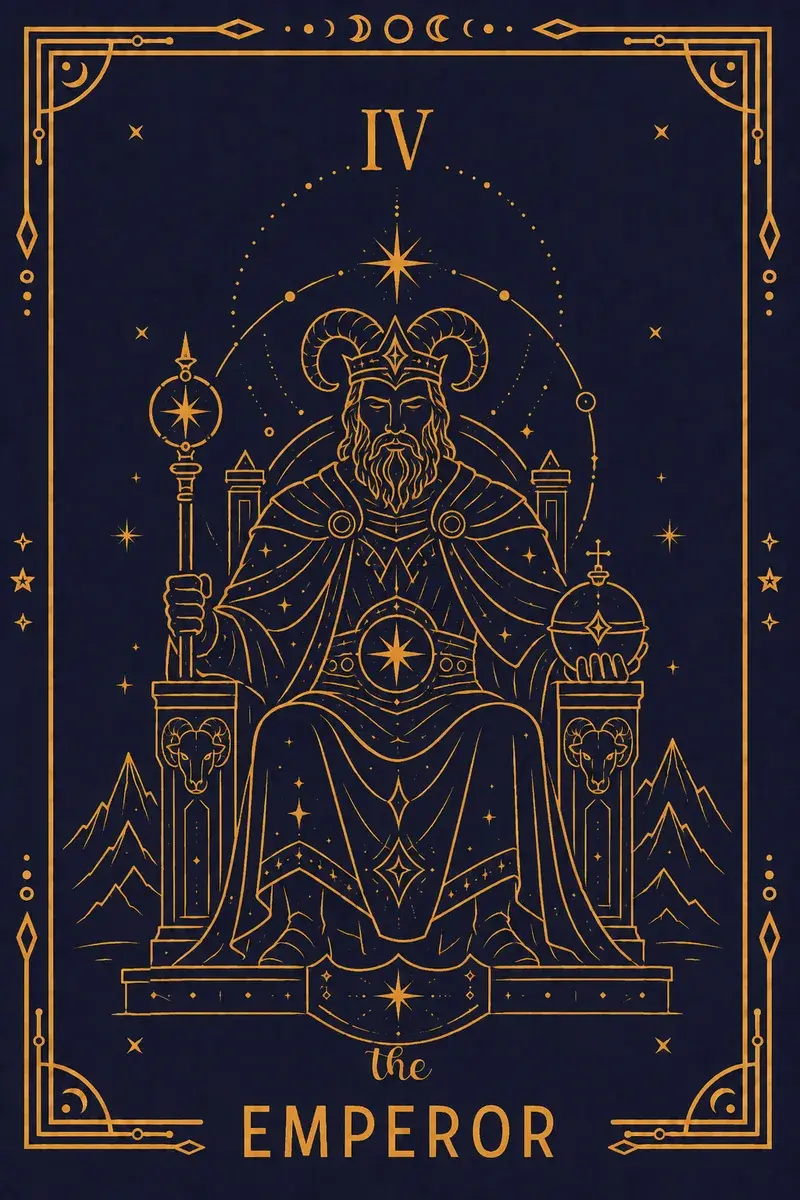
The cardinal fire sign, and the one the deck gives to The Emperor.
Aries is cardinal fire: initiation, appetite and the willingness to go first. The Golden Dawn gave it The Emperor, which surprises people who expect the ram to get something wilder. The logic holds up. Aries energy without structure burns out in a week, and The Emperor is what happens when the drive to start something acquires the discipline to hold it.
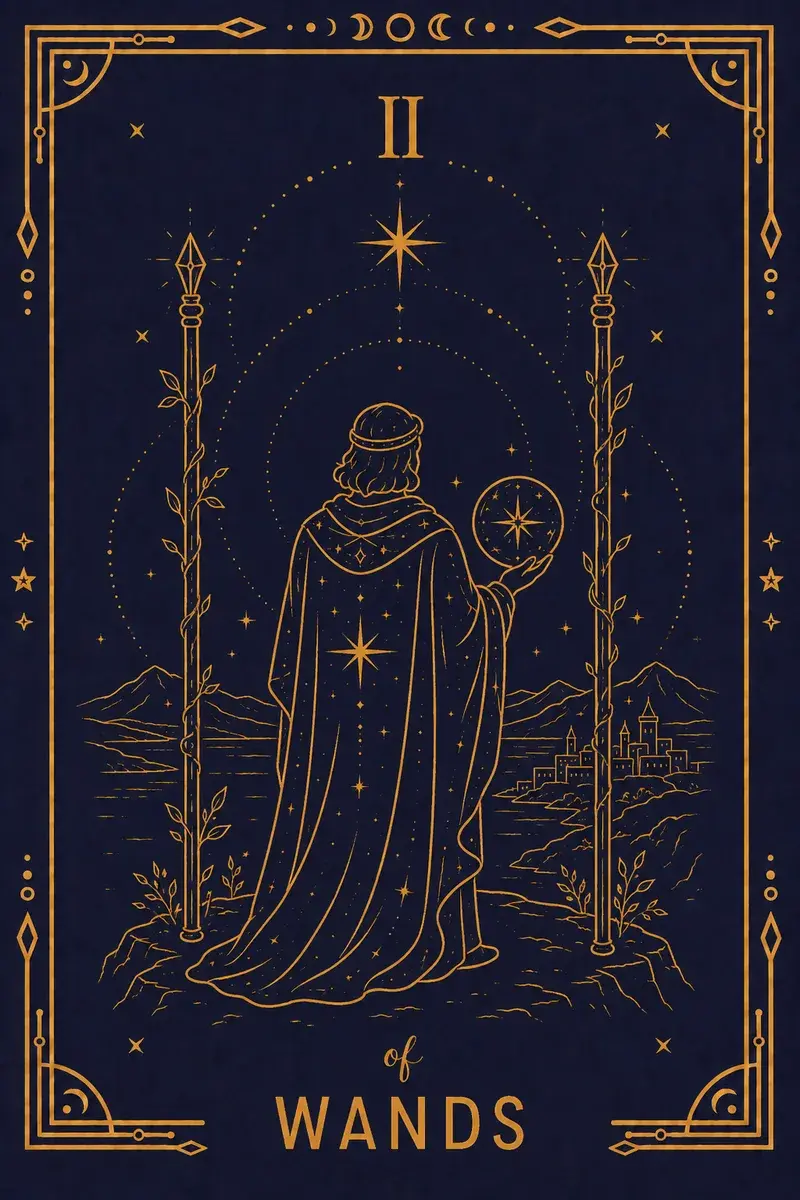
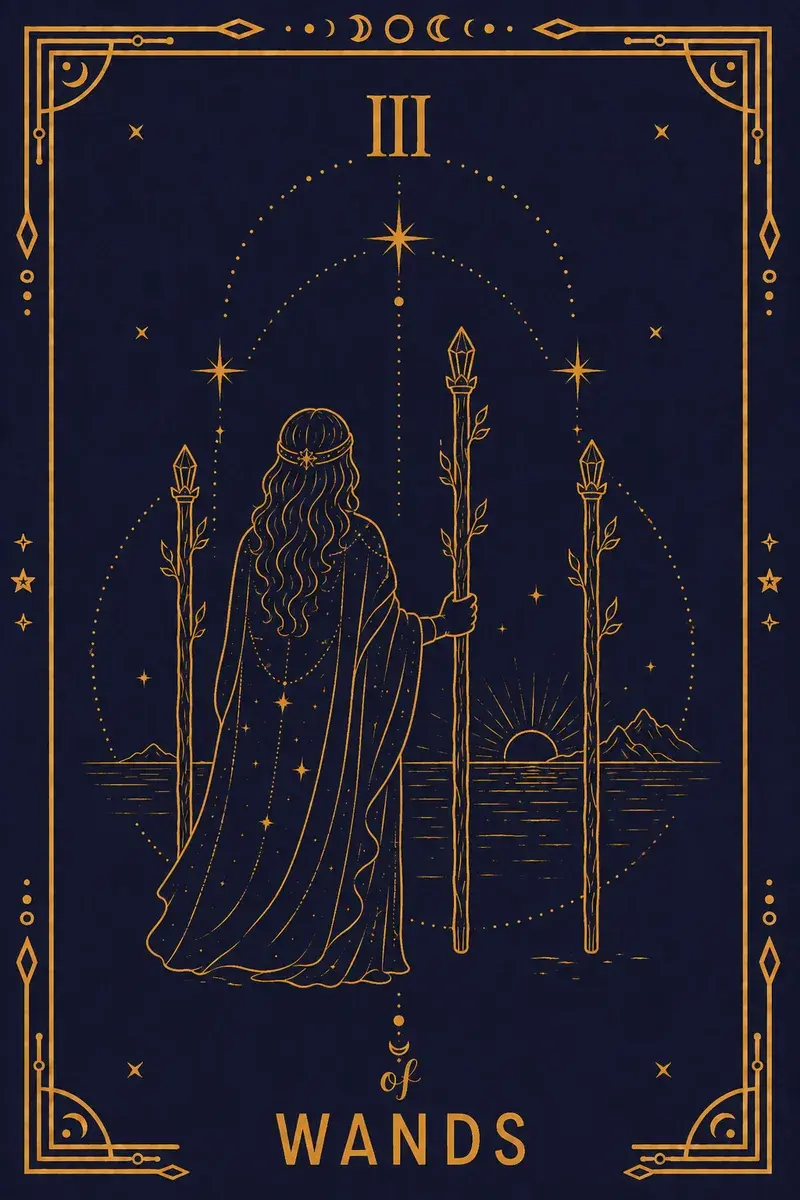
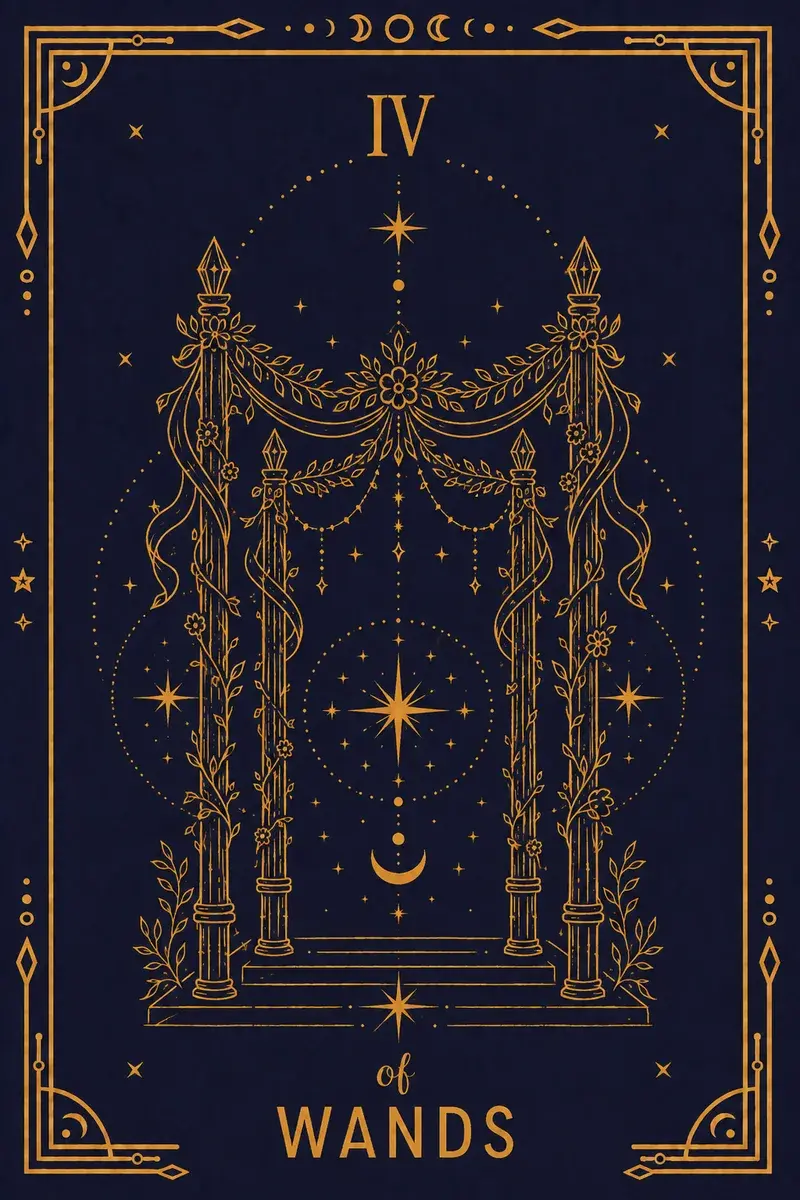
Its three decans run through the early Wands: the Two as the decision to expand, the Three as the first sight of the results, the Four as the arrival worth marking. That is a genuinely Arian sequence, and it is one of the clearest arguments that the decan system is doing something rather than decorating.
The trump
The Major Arcana card that carries the sign itself.
The three decans
Each sign covers thirty degrees, divided into three ten-degree decans. One numbered card each, and they run in order through the sign.
The court card
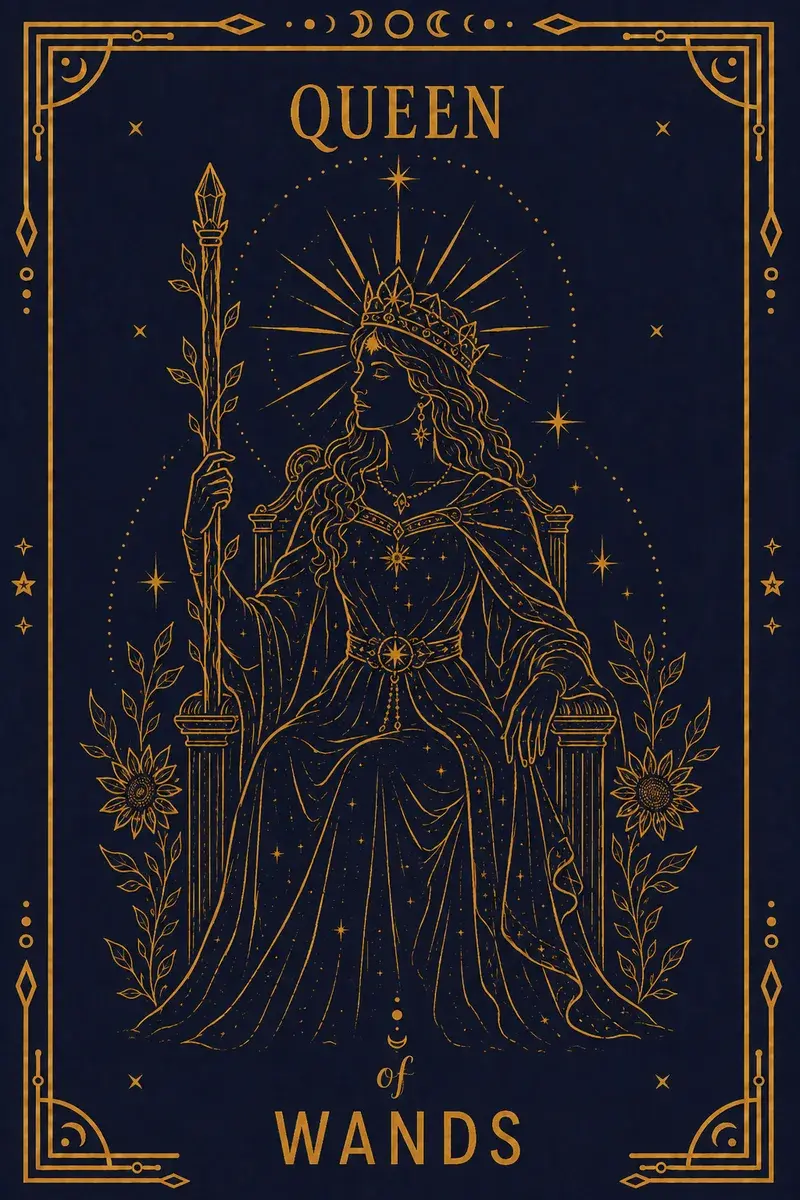
The figure who carries the sign. Court attributions vary more between traditions than any other part of this system, because the Golden Dawn courts straddle two signs rather than sitting inside one.
The other eleven signs
Where these attributions come from
The Hermetic Order of the Golden Dawn, in the late nineteenth century. They mapped the whole deck onto the zodiac, the planets and the Hebrew alphabet, and the Rider-Waite-Smith deck was built on that system, which is why most modern decks still inherit it.
It is a system rather than a discovery. The fifteenth century Italian decks had no astrological scheme at all, and other traditions map the cards differently. Every attribution on this site is the Golden Dawn one, and where a card is disputed its own page says so.
Aries in an actual chart
This page is about what the tarot tradition attaches to Aries. The astrology itself, calculated from real ephemeris data rather than described, is on our sister site.
Aries on Memento Astra